
 IT
IT 日本
日本 DE
DE FR
FR 中文
中文 ES
ESRomeo and Juliet's Verona
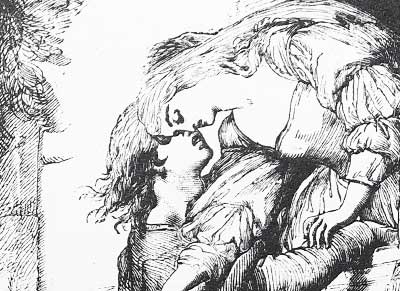
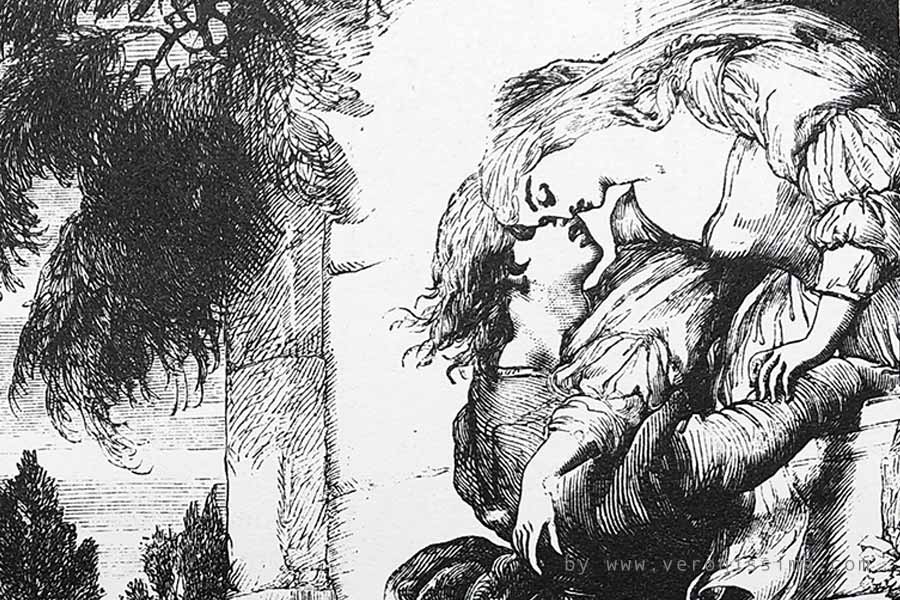
Romeo and Juliet is a legend, nobody knows if the unfortunate lovers of Verona really existed. In the legends, however, there is often some truth.
With our tour you will discover places, historical and literary references of the most romantic story in the world.
Oncoming Tours
August 3rd - 9:30pm
Verona by Night
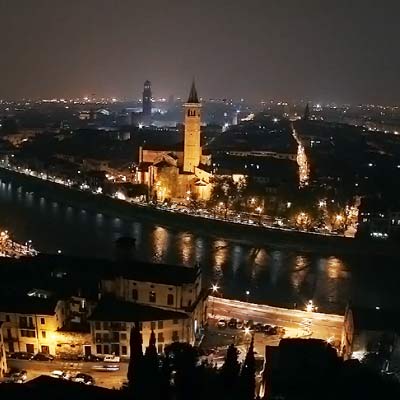
Discover the city away from the heat and crowds.
📍 Bra square
€30 per person
August 7th - 10:00am
Underground Tour
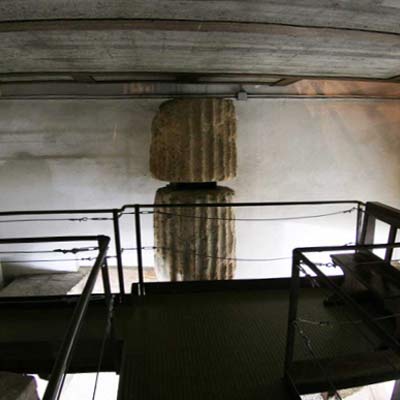
Discover the archaeological finds underneath Verona.
📍 Bra square
€30 per person
August 9th - 15:00pm
Romeo & Juliet's Tour
The unbelievable truth behind the famous love story.
📍 Erbe square
€30 per person
Info and Bookings:
+39 333 2199 645 info@veronissima.com P.I. 03616420232 C.F. CPPMHL74L13L781C
On Romeo and Juliet's Footpath
There are many versions of the story. In all of them there are references to places and buildings in Verona. Over the centuries, for one reason or another, people have identified them.
- The House of Juliet, with the coat of arms of the Capulets
- The House of Romeo
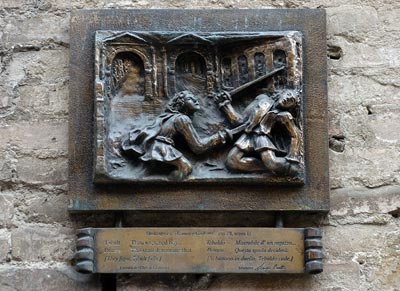
- The street where Romeo kills Tybalt in a duel
- The 13th century gate from which Romeo left the city towards exile
- Juliet's grave
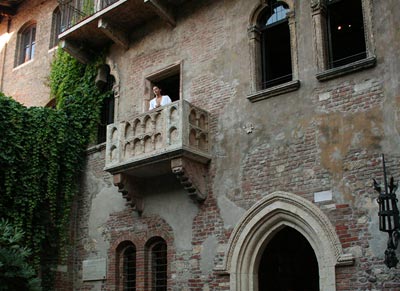
Juliet's House
VISIT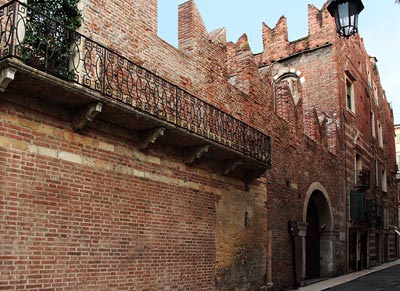
Romeo's House
VISIT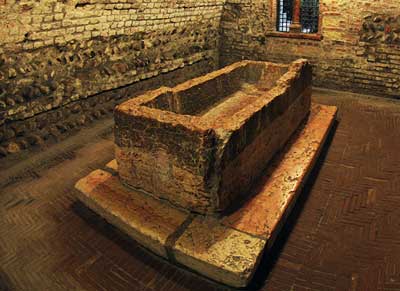
Juliet's Grave
VISIT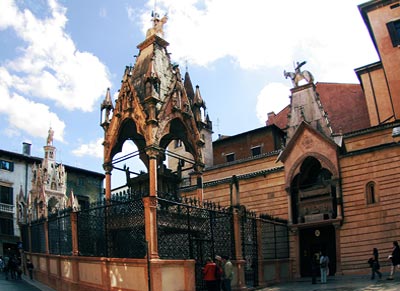
Scala Family Tombs
VISIT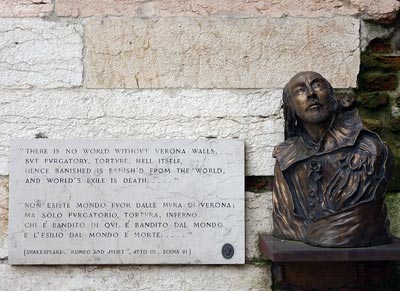
Verona Walls
VISITRomeo and Juliet's Guided Tour
Our tour guide will take you to all these places. Many have plaques, bas-reliefs and sculptures that recall moments of the story with quotations from Shakespeare's work. The tour is also a journey through the ages and stories of Shakespeare and other authors. The tour is suitable for everyone, organized groups, school trips, families with children.
Further Information:
+39 333 2199 645 info@veronissima.com P.I. 03616420232 C.F. CPPMHL74L13L781C
The Great Plagiarism
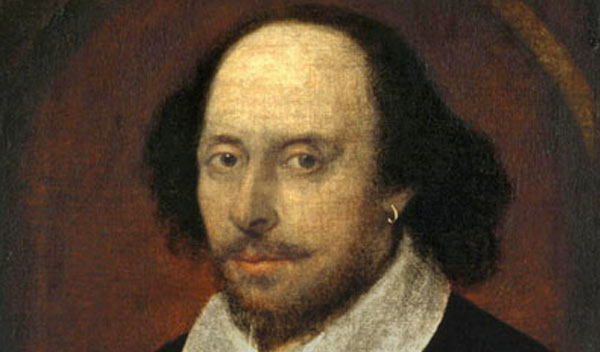
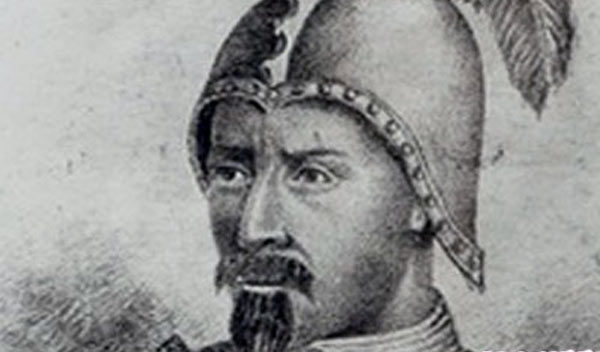
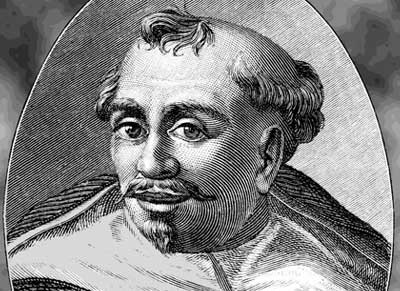
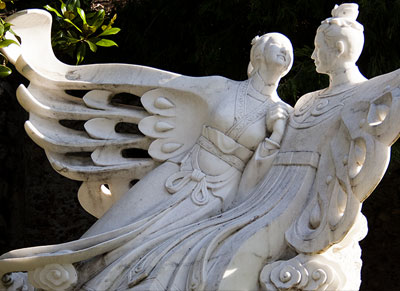
The plot of Romeo and Juliet is not the fantasy of William Shakespeare. He was inspired by one of the many versions of the story that circulated in Italy and Europe at the time. The story of the conflicted love that for a misunderstanding ends in tragedy is a universal theme. There is also a Chinese version of it. However, the similarities between Shakespeare's version and those of Luigi da Porto and Matteo Bandello are shocking. But they were published many decades earlier so that we can speak of real plagiarism.
Want to know more?
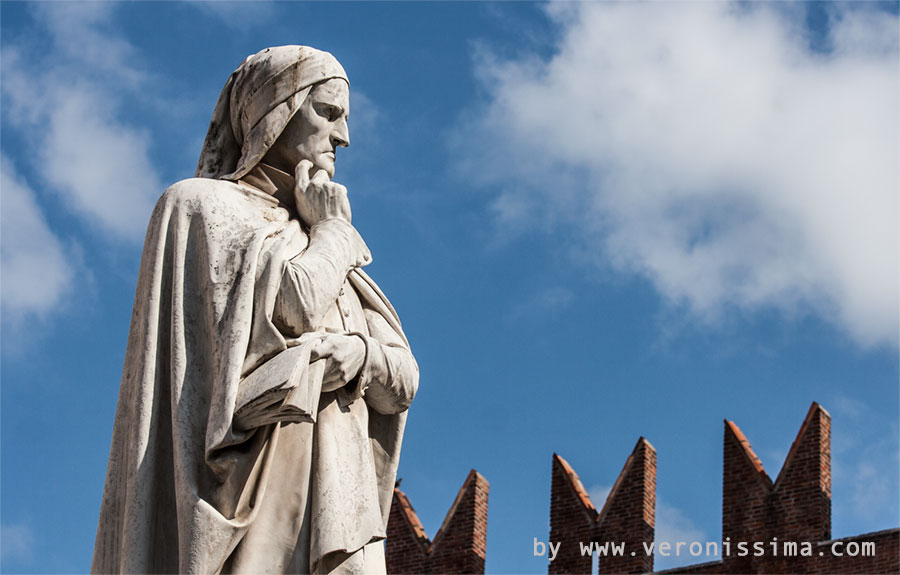
Dante: Montecchi and Cappelletti, Guelfi and Ghibellini
Dante was in Verona for the first time between 1301 and 1304, when the lord of the city was Bartolomeo della Scala. In Luigi da Porto's novel the events of Romeo and Juliet took place during the government of Bartholomew. Speaking of the struggles between Guelphs and Ghibellines that bloodied medieval Italy Dante writes:
Come see the Montagues and Capulets, Monaldi and Filipeschi, careless man, already troubled those, and these in dread!
And what could be the cause of the trouble of the Montecchi and Cappelletti families? Dante does not say. Many believe that these verses are a clue suggesting that maybe Romeo and Juliet is more than just a legend.
Want to know more?
Write to Juliet
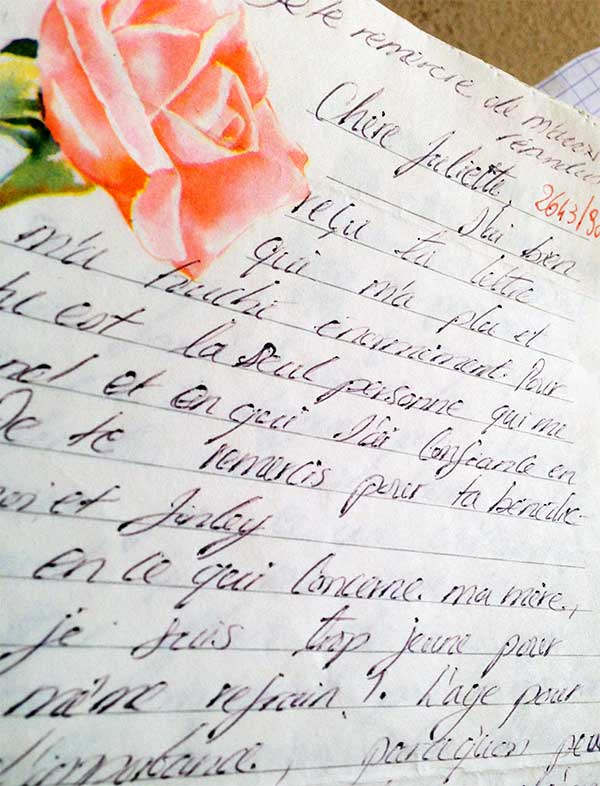
You can even write to Juliet, and she will answer you back. Since 1930 volunteers answer the letters that people suffering for love send to Juliet from all over the world . They also created the Juliet's Club to promote Verona as the city of love.
You can post your letter to Juliet in the special mailbox inside the Capulets' house. Or wtite from where you are at this address:
CLUB DI GIULIETTA
Vicolo Santa Cecilia 9, 37121
Verona – Italy
Or with a less romantic email: dearjuliet@julietclub.com
Juliet's Kisses, Romeo's Sighs
If you want to take with you a souvenir from your visit to Romeo and Juliet's Verona, a box of chocolate cookies is just what you need. In the pastry shops in the centre of Verona you will find sweets dedicated to Romeo and Juliet. The "Kisses of Juliet" are soft chocolate biscuits. The "Sighs of Romeo" the white chocolate version.
Further Information:
+39 333 2199 645 info@veronissima.com P.I. 03616420232 C.F. CPPMHL74L13L781C
+39 333 2199 645
info@veronissima.com